

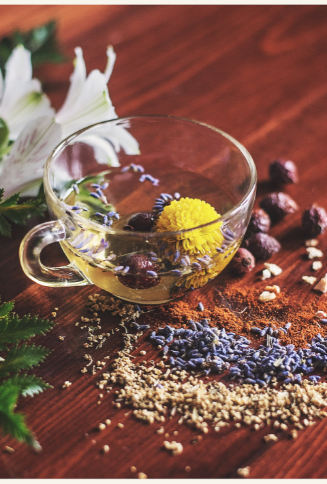
Herbal Healing is the use of plants for medicinal purposes, and the study of such use. Plants have been the basis for medical treatments through much of human history, and such traditional medicine is widely practiced today. The World Health Organization estimates that 80% of the world’s population, or about 4 billion people, currently use herbal medicine for some of their health care. Thirty percent of the US population uses herbal remedies each year. In the past 10 years, the use of high dose vitamins has grown over 130% and the use of herbal supplements has grown over 380%.
How it works
The herbalist will then use their knowledge of plants and their different effects on the body to find a mixture that will treat the underlying cause of a problem. The herbalist will usually give you enough of the remedy, or tell you where to buy it, to take away with you to use before your next consultation. You can expect a lot of herbal remedies to taste a little bitter owing to the bitter compounds found in many plant extracts.
Benefits
Many herbal preparations may have benefits. Others may have no obvious or proven benefit, and some, in fact, can be harmful. For most of the over-the-counter herbs you can buy, there is probably little risk of having a bad reaction if you follow the directions. For example, you might drink a cup of peppermint tea to settle your stomach. At worst, it can help your upset stomach; at best, it can taste nice, warm you up, and not have any negative side effects! As another example, certain echinacea extracts are accepted in some countries for the treatment of colds and cold symptoms. While the vast majority of herbs do not have any significant side effects, however, caution should be used if you are considering adding herbal supplements in your life.
How we apply it
Once the picture of the whole person has been established, remedies will be recommended and made up for you to take on a regular basis.